
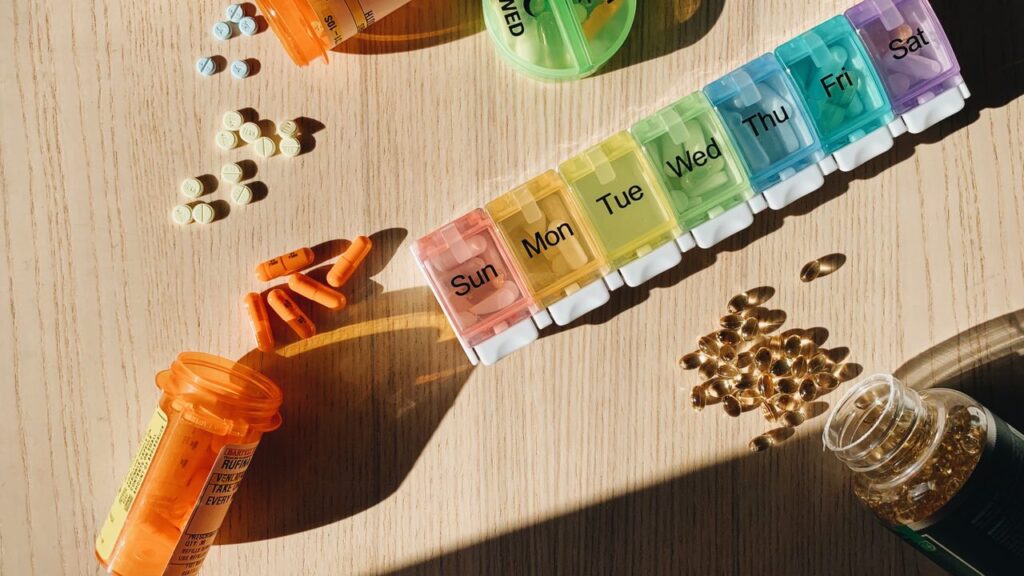
How long does a prescription refill take? It depends on whether your prescription still has refills left. If not, the request has to go to your doctor’s office for review first, and each office sets its own timing. CMS describes e-prescribing as a way for a prescriber to send a prescription straight to the pharmacy.
Quick answer
How long does a prescription refill take?
There is no single answer. If your prescription still has refills, the pharmacy can often fill it without the doctor. If it has none, the pharmacy or your patient portal sends a request to the office, a prescriber reviews it, and a new prescription goes to the pharmacy. Ask your office how much notice it needs.

How long does a prescription refill take, and why does it vary?
Each doctor’s office decides how it handles refill requests, and each pharmacy has its own workload. So the honest answer to “how long” is: ask your own office and pharmacy.
Some things tend to slow a request down:
- No refills left, so the prescriber has to approve a new prescription
- A request sent late on a Friday or before a holiday
- A medicine your doctor wants to review at a visit first
- An insurance question, such as a plan that needs extra paperwork
Asking early, and keeping your pharmacy and phone number current with the office, prevents most delays.

How a refill request travels
Which route your refill takes tells you who to call.
| Your situation | Who acts | What you do |
|---|---|---|
| Refills left on the label | Pharmacy | Ask the pharmacy for a refill |
| No refills left | Pharmacy, then office | Ask the pharmacy or use the portal |
| Office wants a visit first | Office, then prescriber | Book the visit early |
| Controlled substance | Prescriber | Ask the office about its process |
When refills are left
Your pharmacy label shows how many refills remain. While refills are left, you usually ask the pharmacy directly, by phone, app or at the counter. The doctor’s office isn’t involved.
When there are no refills left
Now the prescriber has to write a new prescription, often called a renewal. Your pharmacy may be able to send the request to your doctor’s office for you. You can also ask the office yourself.
Requests through a patient portal
MedlinePlus lists refilling prescriptions as one task a patient portal may let you do. It also says portals “are not for urgent issues,” so call the office if you are close to running out. Your practice’s patient portal page explains how to sign in.
E-prescribing back to the pharmacy
Once a prescriber approves the request, the prescription may go to the pharmacy electronically. CMS describes e-prescribing as a way to “electronically send an accurate, error-free and understandable prescription directly to a pharmacy.” The pharmacy then fills it on its own schedule.
Why some refills need a visit first
Sometimes the office answers a refill request by asking you to come in. Your doctor may want to check how the medicine is working, look for side effects or interactions, or order a blood test. Our guide on what a med check is and why your doctor asks for one before some refills explains what happens at that visit.
Federal law adds rules for controlled substances. The Controlled Substances Act says Schedule II prescriptions cannot be refilled, so each fill needs a new prescription. Schedules III and IV have limits on the number of refills and how long a prescription lasts.
How to avoid running out of medicine
A little planning keeps you from running out.
- Ask early. Ask your office how much notice it needs, then request your refill well before that point.
- Check the label. If it shows zero refills, start the renewal now, not when the bottle is empty.
- Book follow-ups before you leave. If your doctor wants to see you regularly, a visit on the calendar keeps refills on track.
- Plan for holidays, travel and winter weather. Offices and pharmacies may close, and rural roads can be slow.
- Keep one medicine list. The FDA’s medication safety tips for older adults advise keeping a list of all your medicines and sharing it with every provider.
Ask about refill synchronization
If you take several long-term medicines, ask your pharmacy whether it offers refill synchronization. CDC describes it as a pharmacy service that lines up a single pick-up date for chronic medicines. Some pharmacies also send text reminders when a refill is due.

What to do if you are out of medicine
Start with your pharmacist. They can see your prescription history, contact your doctor’s office and tell you what options exist. Then call your doctor’s office directly rather than waiting on a portal message.
CDC advises you to talk to your doctor or pharmacist about an emergency supply of medicines and to learn your state’s emergency prescription refill law. Those laws vary by state, so ask your pharmacist what is possible where you live.
The FDA advises not to skip doses or stop a prescribed medicine without talking to your health care professional first. If you feel unwell after missing doses, see our guide to choosing between a family doctor, urgent care and the ER.

Frequently asked questions
How long does it take for a doctor to approve a refill?
It varies, because each office sets its own process and timing. Requests for a medicine your doctor wants to review, or sent before a weekend or holiday, may take longer. Ask your office how much notice it needs, and request refills well before you run out.
Can I request a refill through the patient portal?
Often, yes. MedlinePlus lists refilling prescriptions as one thing a patient portal may let you do. It also says portals are not for urgent issues. If you are about to run out, call the office or talk to your pharmacist instead of waiting on a portal message.
What if I have no refills left?
Your prescriber needs to write a new prescription. Ask your pharmacy to send the request to your doctor’s office, or contact the office yourself. The office may approve it, or it may ask you to come in first. Start early, because a renewal involves the office and the prescriber.
Why is my pharmacy waiting on my doctor?
Usually because the prescription has no refills left or has expired, so the pharmacy needs a new one from the prescriber. The office may also want to see you first, or the medicine may be a controlled substance with stricter rules. Call the office to find out where the request stands.
What’s the difference between a refill and a renewal?
A refill is another fill of a prescription that still has refills left, and the pharmacy can handle it. A renewal is a new prescription from your prescriber when the old one runs out of refills or expires. Renewals involve the doctor’s office, so they need more notice.
Running low on a refill?
If you have a question about a refill request, contact our office. Have your pharmacy’s name and your medicine list ready.
New to the area? Start with how to find a new primary care doctor, or see what a telehealth visit can handle.
Sources
- Centers for Medicare & Medicaid Services, “E-Prescribing,” checked November 19, 2026.
- MedlinePlus, “Patient portals: an online tool for your health,” checked November 19, 2026.
- Centers for Disease Control and Prevention, “Prescriptions,” Prepare Your Health, checked November 19, 2026.
- Centers for Disease Control and Prevention, “Pharmacy-Based Interventions to Improve Medication Adherence,” checked November 19, 2026.
- U.S. Food and Drug Administration, “5 Medication Safety Tips for Older Adults,” checked November 19, 2026.
- United States Code, Title 21, Section 829, “Prescriptions” (Controlled Substances Act), checked November 19, 2026.
This article is general health information, not medical advice, and does not replace a visit. If you think you have an emergency, call 911. For questions about your own health, contact your doctor’s office.