

When to see a doctor for the flu depends on who you are and how sick you feel. Most healthy people can rest at home. Two groups shouldn’t wait: people at higher risk of complications, and anyone with warning signs. The CDC says antiviral treatment works best when started within two days after symptoms begin, so timing matters.
Quick answer
When should you see a doctor for the flu?
Most healthy people with flu can rest at home, but see a doctor right away if you’re very sick, worried, or at higher risk. Higher risk includes age 65 and up, pregnancy, asthma, diabetes, and heart or lung disease. Antiviral treatment works best within 2 days of symptoms. Trouble breathing or chest pain needs emergency care (CDC).
Call 911 or go to the ER if…
Adults:
- Difficulty breathing or shortness of breath
- Ongoing pain or pressure in the chest or belly
- Ongoing dizziness, confusion, or can’t be woken
- Seizures, or not urinating
- Severe muscle pain, weakness or unsteadiness
- Fever or cough that improves, then returns or worsens
- A chronic condition that gets worse
Children:
- Fast or hard breathing, bluish lips or face, ribs pulling in
- Chest pain, or muscle pain so bad the child won’t walk
- No urine for 8 hours, dry mouth, no tears when crying
- Not alert or interacting when awake, or seizures
- Fever above 104°F that fever-reducing medicine doesn’t control
- Any fever in a baby younger than 12 weeks
Source: CDC, which notes these lists are not all inclusive.

When to see a doctor for the flu, at a glance
The CDC sorts this by risk. A mild flu means something different at 30 than at 70, or during pregnancy.
| You are… | What to do | Why (CDC) |
|---|---|---|
| 65 or older | Call on day one | Higher risk of complications |
| Pregnant, or within 2 weeks after | Call on day one | Higher risk of complications |
| Living with asthma, COPD, diabetes, heart, kidney or liver disease, or weak immunity | Call on day one | Higher risk of complications |
| Healthy adult, mild and improving | Rest at home and watch | Most don’t need antivirals |
| Healthy adult, very sick or worried | Call right away | CDC advises contacting a provider |
| A child under 5 | Call early | Higher risk, especially under 2 |
For kids, see when a child’s fever needs a call.

Why the first 48 hours matter
Flu antiviral treatment works best when started within two days after symptoms begin, according to the CDC. The CDC recommends it as soon as possible for people at higher risk. Most healthy people who are not at higher risk don’t need it.
These medicines are not sold over the counter. You need a prescription from a doctor or other provider. So higher-risk people should call early, before they feel very sick. The Illinois Department of Public Health agrees: call as soon as possible.
Is it too late to see a doctor after 48 hours?
No. The CDC says starting antiviral treatment later can still help, especially for higher-risk people and those who are very sick. Warning signs also need care at any point in the illness. If you’ve passed day two and feel worse, call anyway.
Should I get tested for flu or COVID?
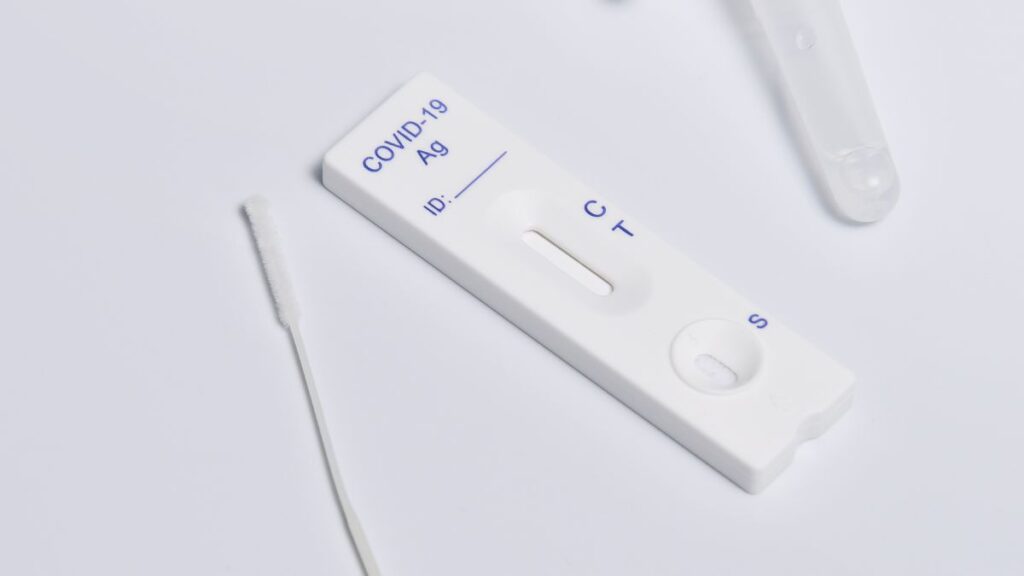
A test can help, but it isn’t the final word. The CDC tells clinicians that a negative rapid flu test does not rule out flu. It also says doctors should not delay treatment while waiting for test results. So if you’re at higher risk, call even before you test.
For COVID home antigen tests, the CDC cites FDA advice. With symptoms, you need 2 negative tests taken 48 hours apart. If your first test is negative and you still feel sick, test again. See our cold, flu or COVID symptom chart and when to test.
Getting better, then worse: when the flu turns into something more
Most people recover from flu in a few days to less than two weeks, the CDC says. A fever or cough that improves and then returns or worsens is a CDC emergency warning sign. Get care right away. It can signal a problem such as bronchitis or pneumonia.

Who is high risk for flu complications?
People in these groups are more likely to have serious flu complications. If you’re one of them, the CDC says to contact a provider right away when flu symptoms start, even mild ones. The CDC list includes these, among others:
- Adults 65 and older
- Children younger than 5, especially younger than 2
- Pregnant women, up to 2 weeks after pregnancy ends
- People with asthma, COPD or other lung disease
- People with heart disease, diabetes, or kidney or liver disorders
- People with a weakened immune system, a BMI of 40 or higher, or a past stroke
- People living in nursing homes or other long-term care
Caring for flu at home while you watch
If you’re healthy and mildly sick, rest at home and stay away from others. The CDC asks people who are only mildly ill not to go to the emergency room. Compare family doctor, urgent care and ER options.
When you’re ready to go back out, check how long to stay home after the flu. And here’s how to stop the flu from spreading at home.

Can the flu shot still help this season?
Yes, it can still be worth getting. The CDC says everyone 6 months and older should get a flu vaccine every season. It adds that people should keep getting vaccinated as long as flu viruses are a threat in their community. See our immunizations page.

Frequently asked questions
Should I see a doctor for the flu?
Most healthy people with flu can rest at home and don’t need antiviral treatment. If you have flu symptoms and are at higher risk, very sick or worried, the CDC says to call a provider right away. Emergency warning signs need care at once.
Is it too late to see a doctor after 48 hours?
No. Antiviral treatment works best when started within two days, but the CDC says starting later can still help. That is especially true for higher-risk people and those who are very sick. Warning signs need care at any point in the illness.
When should I test for flu or COVID?
Test when symptoms start. A negative rapid flu test does not rule out flu, the CDC says. For COVID home antigen tests with symptoms, the FDA advises 2 negative tests taken 48 hours apart. If you’re at higher risk, call your doctor even before you test.
When should I go to the ER with the flu?
Go for CDC emergency warning signs. For adults, these include trouble breathing, chest pain or pressure, confusion, seizures, not urinating, and a fever or cough that improves and then returns. Mild illness does not need the ER, the CDC says.
How long does the flu last?
The CDC says most people who get flu recover in a few days to less than two weeks. If you improve and then get worse, or you aren’t getting better, contact your doctor’s office. A daily note of your temperature and symptoms helps you spot a turn for the worse.
Not sure if you should be seen?
If you’re in a higher-risk group, call on the first day of symptoms. Contact our office and have the day your symptoms started ready.
For other winter bugs, see when to see a doctor for any winter illness.
Sources
- CDC, “Signs and Symptoms of Flu,” checked November 18, 2026.
- CDC, “Treatment of Flu,” checked November 18, 2026.
- CDC, “People at Increased Risk for Flu Complications,” checked November 18, 2026.
- CDC, “Flu: What To Do If You Get Sick,” checked November 18, 2026.
- CDC, “Rapid Influenza Diagnostic Tests,” checked November 18, 2026.
- CDC, “Guide for considering influenza testing when influenza viruses are circulating in the community,” checked November 18, 2026.
- CDC, “Testing for COVID-19,” checked November 18, 2026.
- CDC, “Preventing Seasonal Flu,” checked November 18, 2026.
- Illinois Department of Public Health, “Fall/Winter Respiratory Virus Frequently Asked Questions (FAQ),” checked November 18, 2026.
This article is general health information, not medical advice, and does not replace a visit. If you think you have an emergency, call 911. For questions about your own health, contact your doctor’s office.