
The dot physical urine test is a basic health check, not a drug test. FMCSA’s exam form says a urinalysis is required, and the examiner records four readings: specific gravity, protein, blood and sugar. The DOT drug test is a separate process with its own federal rules.
Quick answer
What does the DOT physical urine test check for?
It is a urinalysis, not a drug test. FMCSA’s Medical Examination Report Form says the urinalysis is required and that the examiner records numbers for specific gravity, protein, blood and sugar. Protein, blood or sugar may lead to further testing. The DOT drug test is a separate process under 49 CFR Part 40.
What does the DOT physical urine test check?
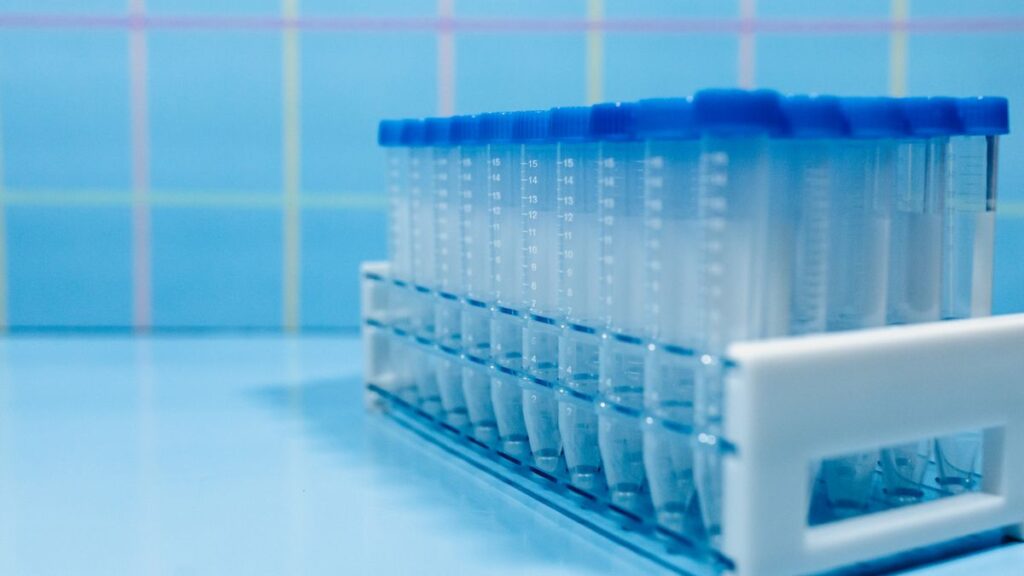
The Federal Motor Carrier Safety Administration (FMCSA) Medical Examination Report Form, MCSA-5875, has a urinalysis box with four readings. The form says: “Urinalysis is required. Numerical readings must be recorded.”
- Specific gravity: how concentrated your urine is.
- Protein: MedlinePlus says a large amount may point to a kidney problem.
- Blood: red blood cells, which the dipstick can detect.
- Sugar (glucose): MedlinePlus says urine normally has very little or none.
MedlinePlus says a urinalysis uses a dipstick with chemical pads that change color, and it is often part of a routine exam to screen for early signs of disease. For the collection itself, see how a clean-catch urine test works. For the rest of the visit, read the full DOT physical, step by step.
Is the DOT physical urine test a drug test?
No. FMCSA’s Medical Examiner’s Handbook (2024 Edition) says DOT drug and alcohol testing applies only to drivers who hold a commercial learner’s permit or CDL, and that “this separate testing is not part of the physical qualification examination.” It may happen at the same visit.
The drug test follows 49 CFR Part 40, run by the DOT Office of Drug and Alcohol Policy and Compliance. Under 49 CFR 40.85, the lab tests for set drug classes, including marijuana, cocaine, opioids, amphetamines and PCP.
DOT physical urinalysis compared with the DOT drug test
| Question | Physical urinalysis | DOT drug test |
|---|---|---|
| Main rule | Exam form MCSA-5875 | 49 CFR Part 40 and Part 382 |
| Who has it | Drivers getting a DOT physical | Learner’s permit and CDL holders |
| What it looks at | Specific gravity, protein, blood, sugar | Set drug classes, tested by a lab |
| Who reviews it | The medical examiner | A lab, under Part 40 rules |
| What a finding means | Possible further testing | Part 40 consequences |

When both tests happen at one visit
Federal rule 49 CFR 40.13 says DOT tests must be completely separate from non-DOT tests, and the DOT test comes first. For a later non-DOT test, extra urine from the DOT drug test is thrown away and a separate sample is collected.
There is one exception. When a DOT drug test collection is part of a DOT physical, urine left in the cup after the DOT bottles are sealed may be used for medical tests, such as glucose.
The handbook adds that the examiner may ask for a non-DOT drug test to help decide whether you are qualified. Under 40.13, that test does not have Part 40 consequences.

What happens if protein, blood or sugar shows up?
A finding is a reason to look further, not an automatic result. The exam form says protein, blood or sugar “may be an indication for further testing to rule out any underlying medical problem.” The certified medical examiner makes the decision.
FMCSA’s handbook says that if your urine has an excessive amount of protein, blood or sugar, the examiner should ask about diabetes or possible kidney disease. With your consent, the examiner may contact your treating provider for your medicines and lab results, such as HbA1c or kidney function tests. For high sugar, the handbook asks whether it has been addressed with testing.
MedlinePlus adds:
- Protein can be high for a short time because of hard exercise, dehydration, diet, stress or pregnancy, and it doesn’t always mean a medical problem.
- A urine glucose test alone cannot diagnose any condition. Diabetes is the most common cause of high urine glucose, so a blood test is usually used to confirm or rule it out.
The form also says a condition may not disqualify a driver, particularly if it is controlled. The examiner may defer you while you get more information. See what a deferred or pending result means, and if diabetes is part of the picture, how diabetes is handled at a DOT physical.

How to get ready for the urine test
The form’s health history asks about kidney problems, kidney stones and problems with urination. Answer it fully, and bring:
- A list of every medicine and supplement you take.
- Recent lab results, such as an A1C blood test or kidney tests.
- Notes from the doctor who treats diabetes, kidney disease or high blood pressure.
Do not stop or change a medicine for the exam unless the prescriber tells you to. For the full list, see what to bring to a DOT physical.
Kidney and blood sugar checks between exams
The handbook names diabetes, uncontrolled high blood pressure and kidney disease as problems a urine result can point to. Your family doctor can follow these with blood tests, such as eGFR for kidney function, and blood pressure checks. For the other federal standards, read the FMCSA standards that can affect certification.
Frequently asked questions
Do they drug test at a DOT physical?
The physical itself does not include a drug test. FMCSA’s handbook says DOT drug and alcohol testing is separate and applies to learner’s permit and CDL holders, though it may be done at the same visit. The examiner may also ask for a non-DOT drug test to help make a decision.
Can the DOT physical urine sample be used for a drug test?
Under 49 CFR 40.13, DOT drug tests must be completely separate from other tests. When a DOT drug collection is part of the physical, urine left over after the DOT bottles are sealed may be used for medical tests such as glucose. A DOT drug specimen cannot be tested for anything else.
Can you fail a DOT physical for protein in urine?
FMCSA’s exam form says protein may be a reason for further testing, not an automatic result. The examiner may ask about kidney disease or diabetes and request records. MedlinePlus says protein can rise briefly with exercise, dehydration or stress. Only the certified medical examiner decides your result.
What if sugar shows up in my urine at a DOT physical?
FMCSA’s handbook says the examiner should ask about diabetes and whether the sugar has been addressed with testing, and may contact your treating provider for labs such as HbA1c. MedlinePlus says a urine glucose test alone cannot diagnose diabetes; a blood test is usually used.
Is the urinalysis required at every DOT physical?
Yes. FMCSA’s Medical Examination Report Form, MCSA-5875, says “Urinalysis is required. Numerical readings must be recorded.” The examiner writes down the readings for specific gravity, protein, blood and sugar at each DOT physical, then considers them with the rest of your exam.
Worried about sugar or protein in your urine?
Your family doctor can check your blood sugar and kidney health and help you gather records before your DOT physical. Contact our office to schedule a visit.
Next, see the DOT physical blood pressure requirements.
Sources
- FMCSA, “Medical Examination Report Form, MCSA-5875,” checked November 21, 2026.
- FMCSA, “Medical Examiner’s Handbook 2024 Edition,” checked November 21, 2026.
- Code of Federal Regulations, 49 CFR 40.13 (govinfo.gov, 2025 edition), checked November 21, 2026.
- Code of Federal Regulations, 49 CFR 40.85 and 49 CFR 391.41 (govinfo.gov, 2025 edition), checked November 21, 2026.
- MedlinePlus, “Urinalysis” (reviewed January 1, 2025), checked November 21, 2026.
- MedlinePlus, “Protein in Urine” and “Glucose in Urine Test” (updated December 2024), checked November 21, 2026.
This article is general health information, not medical advice, and does not replace a visit. If you think you have an emergency, call 911. For questions about your own health, contact your doctor’s office.