

If you drive a commercial truck or bus, you may be asking what happens at a DOT physical. A certified medical examiner reviews your health history, checks your vision, hearing, blood pressure and urine, and examines you. The Federal Motor Carrier Safety Administration (FMCSA) says the exam is valid for up to 24 months.
Quick answer
What happens at a DOT physical?
A certified medical examiner listed on FMCSA’s National Registry reviews the health history form you fill out, checks your vision, hearing, blood pressure and pulse, tests a urine sample, and examines your body systems. The examiner then decides whether you meet FMCSA standards and, if so, how long your certificate lasts, up to 24 months.
What is a DOT physical?
A DOT physical is the medical exam FMCSA requires for most commercial motor vehicle drivers. It checks whether your health allows you to drive a large vehicle safely. See how it differs from a non-DOT physical.
FMCSA says the exam must be done by a licensed medical examiner listed on the National Registry. That can include MDs, DOs, physician assistants, advanced practice nurses and chiropractors. You can search the FMCSA National Registry of Certified Medical Examiners by city, state or ZIP code. You can also read whether your family doctor can do your DOT physical.

What happens at a DOT physical, step by step
FMCSA’s Medical Examiner’s Handbook (2024 Edition) splits the visit in two. You fill out Section 1 of the Medical Examination Report Form, MCSA-5875. The examiner completes Section 2.
| Step | Who does it | What happens |
|---|---|---|
| 1. Check in | Examiner or staff | Your photo ID is checked and the ID type is recorded |
| 2. Health history | You | Personal details, surgeries, medicines and 32 yes, no or not sure questions |
| 3. History review | Examiner | Talks through your yes and not sure answers and your medicine list |
| 4. Testing | Examiner or staff | Pulse, height, weight, blood pressure, urine, vision and hearing |
| 5. Physical exam | Examiner | Checks each body system and notes anything abnormal |
| 6. Decision | Examiner | Decides whether you meet the standards and for how long |
The form asks about prescription and over the counter medicines and supplements, and you sign that your answers are accurate.
Vision and hearing checks
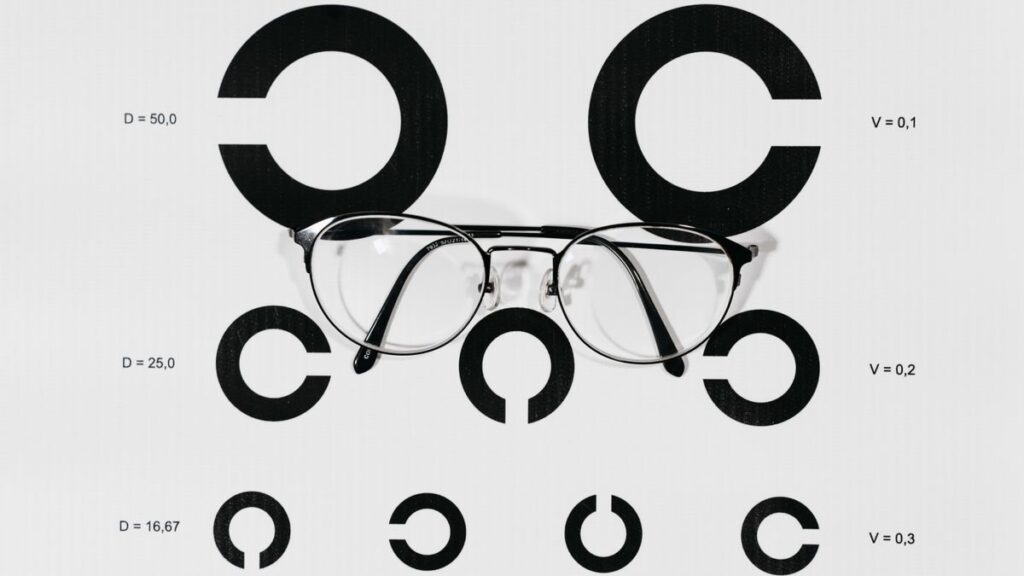
Under 49 CFR 391.41, the vision standard is at least 20/40 in each eye, with or without glasses or contacts, a field of vision of at least 70 degrees in each eye, and the ability to recognize red, green and amber signal colors. An eye doctor may do the vision part.
For hearing, you must first hear a forced whisper at no less than 5 feet in your better ear, with or without a hearing aid. The handbook says an audiometric test is used if you do not pass the whisper test in both ears.
Blood pressure, pulse and urine
FMCSA’s handbook says blood pressure readings above 139/89 should be confirmed with a second measurement later in the exam. For background, see what a reading like 130 over 80 means.
The urine test records specific gravity, protein, blood and sugar. FMCSA says protein, blood or sugar in the urine may be a reason for more testing, and the examiner may ask for lab results such as an A1C blood test. See also how an office urine test works.
Is the urine test at a DOT physical a drug test?
No. FMCSA’s handbook says DOT drug and alcohol testing is separate from the physical and applies to drivers with a commercial learner’s permit or commercial driver’s license (CDL). It may be done at the same visit. The examiner may also request a separate non-DOT drug test to help make a decision. See what the DOT urine test checks.

What the examiner can decide
FMCSA’s handbook says the medical examiner ultimately decides whether you meet the standards. With your consent, the examiner may contact your treating provider or ask for records. The form lists these outcomes.
| Outcome | What FMCSA says it means |
|---|---|
| Meets standards | Qualified for a 2-year certificate |
| Meets standards, periodic monitoring | Qualified for a shorter period the examiner chooses |
| Determination pending | More information is needed, with up to 45 days to provide it |
| Does not meet standards | Not qualified, with the reason explained |
| Incomplete examination | The exam was not finished, for example if the driver leaves |
Under 49 CFR 391.43, an examiner who finds a driver not qualified must say so and report it to FMCSA. See what happens if you fail a DOT physical.

What happens after the exam since June 2025
Examiners report every result to the National Registry by midnight of the next calendar day. Under FMCSA’s National Registry II rule, from June 23, 2025, results for permit and CDL holders go electronically to the state licensing agency.
FMCSA’s 2025 driver fact sheet says examiners no longer have to give CDL drivers a paper Medical Examiner’s Certificate, Form MCSA-5876, but you are encouraged to ask for a copy. Give your name, date of birth and license number exactly as they appear on your license. Drivers without a CDL still get a paper certificate and must carry it.
To plan your renewal, read how often you need a DOT physical and how long the card lasts.

How much does a DOT physical cost, and who pays?
FMCSA does not set or publish prices for DOT physicals, so the cost varies by clinic. Ask the office for the price when you schedule.
Sometimes the driver pays, and sometimes the employer does. FMCSA’s handbook gives the example of an employing motor carrier paying for the exam, and says your right to a copy of your exam report does not depend on who paid. For insurance questions, ask your health plan.
Frequently asked questions
How long does a DOT physical take?
FMCSA does not publish a set time for the visit. It depends on the clinic and whether the examiner needs more information. Ask the office how much time to plan for.
Is a DOT physical a drug test?
No. FMCSA’s handbook says DOT drug and alcohol testing is separate from the physical, though it can happen at the same visit. The examiner may request a separate non-DOT drug test if needed.
Can high blood pressure affect a DOT physical?
It can affect how long you are certified. FMCSA says the examiner may issue a certificate for less than 24 months to monitor a condition such as high blood pressure. Only the examiner decides your result.
Do I still get a paper medical card?
Since June 23, 2025, FMCSA says results for CDL and permit holders go electronically to the state, and examiners do not have to issue a paper certificate. You may ask for a copy. Drivers without a CDL still receive the paper certificate and must carry it.
Who pays for a DOT physical?
It varies. Some drivers pay for their own exam, and some employers pay. FMCSA does not publish prices, so ask the clinic and your employer. FMCSA says your right to a copy of the exam report does not depend on who paid.
Questions before your DOT physical?
Your family doctor can help you gather records for ongoing conditions before you see a certified examiner. Contact our office to ask about records or a regular visit.
Next, check the documents to bring to your DOT physical so the visit goes smoothly.
Sources
- Federal Motor Carrier Safety Administration, “DOT Medical Exam and Commercial Motor Vehicle Certification,” checked November 20, 2026.
- Federal Motor Carrier Safety Administration, “Medical Examiner’s Handbook 2024 Edition,” checked November 20, 2026.
- Federal Motor Carrier Safety Administration, “National Registry II: Fact Sheet for Drivers” (May 2025), checked November 20, 2026.
- Federal Motor Carrier Safety Administration, “National Registry of Certified Medical Examiners,” checked November 20, 2026.
- Code of Federal Regulations, 49 CFR 391.41, “Physical qualifications for drivers,” checked November 20, 2026.
- Code of Federal Regulations, 49 CFR 391.43, “Medical examination; certificate of physical examination,” checked November 20, 2026.
This article is general health information, not medical advice, and does not replace a visit. If you think you have an emergency, call 911. For questions about your own health, contact your doctor’s office.